Fur Mom Sublimation: A Designer’s Practical Review
As an experienced embroidery digitizer and product reviewer, I approach every new graphic asset with a critical eye. When evaluating the Fur Mom Sublimation design for real-world application, my primary concern is not just how it looks on a screen, but how it translates into a tangible, high-quality finished product. This 300dpi PNG file offers significant versatility for crafters and small business owners, but understanding its strengths and limitations in an embroidery context is essential for professional results.
First Impressions and Visual Personality
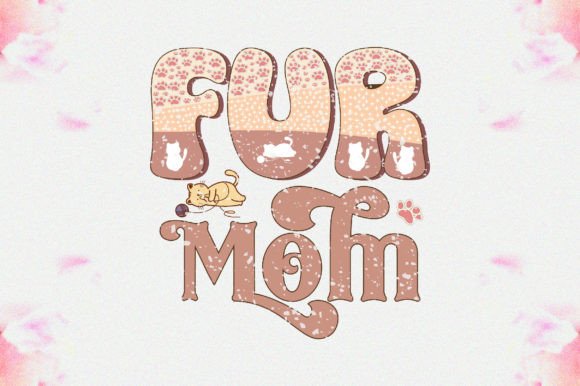
Upon opening the 12×12 inch transparent PNG, the immediate impression is one of warmth and relatability. The artwork carries a distinct emotional weight that resonates deeply with pet owners, making it an ideal candidate for personalized gifts and boutique merchandise. The resolution is crisp at 300dpi, which is the baseline requirement for converting raster graphics into clean machine embroidery designs or sublimation transfers. The transparent background is a crucial feature here; it eliminates the need for tedious masking and allows for seamless integration into complex layouts or directly onto colored fabrics without unsightly white boxes.
From a design perspective, the composition feels balanced. It avoids being overly cluttered, which is a common pitfall in pet-themed graphics. This negative space is actually beneficial for embroidery digitizing, as it provides natural break points for stitch types. Whether you intend to use this strictly for sublimation or as a base for a mixed-media embroidery project, the visual hierarchy guides the eye effectively, ensuring the "Fur Mom" sentiment remains the focal point.
Real-World Application: The Custom Sweatshirt Test
To truly evaluate this asset, I mentally applied it to a current client request: a custom embroidered sweatshirt for a dog rescue fundraiser. In this scenario, the Fur Mom Sublimation file serves as the perfect centerpiece. For a sweatshirt embroidery project, the fabric texture is typically cotton-polyester fleece, which can sometimes obscure fine details. Because this graphic is high-resolution, I can confidently scale it down for a left-chest placement or keep it large for a full-back design without fearing pixelation.
If adapting this for a traditional machine embroidery design rather than sublimation, the artwork lends itself beautifully to a combination of fill stitch and satin stitch elements. The bold areas of color can be converted to tatami fills, while the outlines and text work well with satin columns. However, if you are using this specifically for sublimation on polyester apparel, the 300dpi clarity ensures that the ink transfer will be vibrant and sharp, even after washing. For Etsy sellers and handmade shop owners, this specific use case—a cozy, personalized sweatshirt—is a high-value item where print quality directly correlates to customer trust and repeat business.
Navigating Fabric Limitations and Hoop Sizes
While the digital file is versatile, physical application requires careful judgment. Not every surface is suitable for this level of detail. When planning your embroidery project or sublimation press, consider the following constraints:
- Textured Fabrics: On heavily textured materials like terry cloth towels or chunky knits, the finer details of the Fur Mom Sublimation graphic may get lost. If embroidering over this image, you may need to add a knockdown stitch layer first to flatten the fabric pile.
- Stretchy Materials: For baby embroidery or stretchy jersey knits, stabilization is non-negotiable. The design’s density must be managed to prevent puckering. Always test on a scrap piece of the exact garment material before committing to the final product.
- Dark Fabrics: Since this is a transparent PNG, verify how the colors interact with dark backgrounds. For sublimation, remember that white ink does not exist; the design will only show on light or white polyester. For embroidery, ensure your thread colors provide sufficient contrast against the fabric base.
- Hoop Size Compatibility: At 12x12 inches, this file is generous. However, if you are working with smaller hoop sizes for items like caps or baby onesies, you must resize proportionally. Check the aspect ratio to ensure the design doesn't distort when scaled down for a 4x4 hoop.
Elevating Product Value and Brand Consistency
For creative entrepreneurs and commercial embroidery businesses, consistency is currency. Using high-quality assets like Fur Mom Sublimation signals professionalism. When a customer receives a tote bag design or an embroidered patch where the lines are crisp and the colors are true, it validates the price point. Blurry, low-resolution graphics devalue handmade products instantly.
This graphic also excels in marketing. Before you even stitch or press a single item, use this high-res PNG to create printable mockups. Accurate digital previews help manage buyer expectations and reduce returns. For Etsy sellers, listing photos that showcase the design clearly on a realistic template can significantly boost engagement. Furthermore, because the file is categorized under Crafts and Graphics with a transparent background, it integrates easily into branding kits, allowing you to match your packaging, tags, and social media posts to your physical products.
Critical Technical Notes for Makers
Before adding this to your production queue, please adhere to these practical designer notes to ensure success:
- Verify Licensing: Always confirm the specific license terms included with your purchase. Ensure you have the right to sell finished products or use the design for commercial embroidery projects. Do not assume commercial rights are included without checking.
- Test Stitch-Outs: If converting this PNG to an embroidery file, run a test sew-out on scrap fabric. Check stitch density and thread tension. What looks good in software may pull too tight or leave gaps on actual fabric.
- Color Matching: Screen colors rarely match thread or sublimation ink perfectly. Create a physical color chart for your specific brand of threads or inks to ensure the "Fur Mom" aesthetic matches your vision.
- Stabilizer Selection: Match your stabilizer to the fabric weight. A tear-away might suffice for stable canvas tote bags, but a cut-away is likely necessary for apparel to maintain the integrity of the design over time.
- Wash Testing: If selling custom apparel, wash your test sample. Sublimation should be permanent, but embroidery needs to hold up to agitation. Ensure no threads pop and the fabric doesn't distort around the design area.
Final Verdict for Creative Businesses
The Fur Mom Sublimation file is a robust asset for the modern maker. Its high resolution and transparent background make it a reliable foundation for everything from holiday embroidery gifts to year-round boutique staples. By respecting the technical requirements of your chosen medium—whether that is direct-to-garment sublimation or traditional needle and thread—you can transform this digital graphic into a premium physical product. Remember that in the world of handmade goods, the difference between amateur and professional often lies in these preparation details. Use this design wisely, test thoroughly, and it will serve as a valuable addition to your creative toolkit.