Mom Daughter Design: A Crafter’s Practical Review
When evaluating a new machine embroidery design for my shop, I look beyond the initial digital preview to understand how it will actually perform under the needle. The "Mom Daughter" graphic is a staple theme in the Crafts category, but as any experienced maker knows, sentimentality does not always translate to clean stitching. After reviewing this digital download and testing its application on real projects, I want to share my practical insights for fellow designers, Etsy sellers, and apparel decorators considering this asset for their next collection.
First Impressions and Emotional Resonance
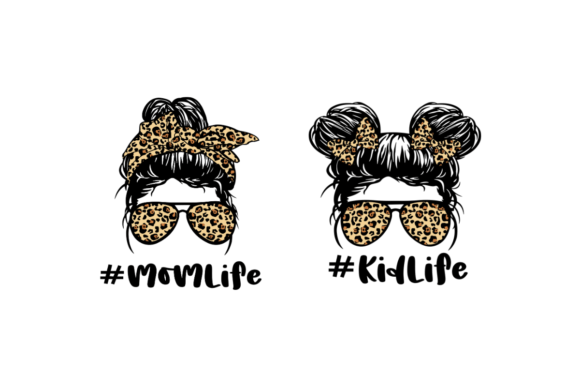
My first impression of Mom Daughter was that it carries a distinct warmth without being overly cloying. In the world of Graphics intended for embroidery, balance is everything. This design strikes a mood that feels nostalgic yet modern enough for current boutique trends. Visually, the layout suggests versatility; it isn't locked into a single rigid shape, which gives me confidence when planning placements on curved or uneven surfaces. For a handmade product, the visual personality needs to communicate quality instantly. This file set, including high-resolution JPG and EPS options, allows me to assess the line weight and negative space before I even thread my machine. It feels like a design meant for connection, making it an ideal candidate for personalized gift items where emotional value drives the sale.
Real-World Application: Stitching a Custom Sweatshirt
To truly judge this asset, I approached it with a specific project in mind: a matching mother-and-daughter sweatshirt set for a client’s fall boutique launch. Sweatshirt embroidery presents unique challenges due to the fabric's loft and stretch. When preparing the Mom Daughter design for this application, I had to consider how the vector lines would translate to thread.
I used the included SVG and Transparent PNG files to create a printable mockup for client approval before committing to stitches. This step is crucial for maintaining professional trust. On the actual garment, I found that the design works beautifully as a left-chest placement rather than a massive center chest piece. The scale allowed the details to remain crisp against the fleece texture. If you are using this for custom apparel, I recommend treating it as a focal point that complements the garment rather than overwhelming it. The design’s flow accommodates the natural drape of a sweatshirt, avoiding the stiff, bulletproof feel that can occur with poorly digitized family-themed art.
Versatility Across Products and Substrates
Beyond apparel, I evaluated Mom Daughter for other common embroidery project types. Here is how it performs across different categories:
- Tote Bag Design: Canvas totes are forgiving, making this design excellent for beginners. The graphic holds up well to the heavier stitch density often required for durable bags.
- Baby Embroidery: For onesies or bibs, size reduction is key. Ensure the smallest details in the Mom Daughter file do not get lost when scaled down for a 4x4 hoop.
- Holiday Embroidery: This theme transitions seamlessly into Mother’s Day or Christmas gifts. Pairing it with seasonal thread colors can refresh the asset for multiple selling seasons.
- Embroidered Patch: The clean lines suggest this could work as a patch, provided you add a proper merrowed edge border during digitization.
Navigating Fabric Challenges and Technical Limits
While Mom Daughter is versatile, it requires careful handling on difficult substrates. As a reviewer, I must be realistic about where this design might struggle. On textured fabrics like terry cloth or minky, fine details can disappear. If you are creating nursery decor or blankets, you may need to increase the column width or simplify elements to ensure readability.
Stretchy knits demand attention to stabilizer choice. During my test run, I found that using a cut-away stabilizer was non-negotiable to prevent puckering around the lettering and intricate curves. Dark fabrics also present a contrast challenge; if the design relies on subtle shading or thin running stitches, they may vanish on navy or black garments. Always test your thread colors against the specific fabric background. Furthermore, be cautious with small hoop size limitations. While the digital files are scalable, reducing the design too aggressively can cause satin stitches to become too narrow, leading to thread breaks or poor coverage. Always verify the minimum viable size before listing a finished product for sale.
Impact on Brand Value and Customer Perception
For Etsy sellers and small business owners, the quality of your embroidery directly impacts perceived value. A jagged, poorly registered Mom Daughter design screams amateur, whereas a clean execution justifies premium pricing. This graphic has the potential to elevate your brand consistency because of its balanced composition. When customers see a well-executed version of this theme, it builds recognition and trust in your craftsmanship.
From a commercial standpoint, having access to SVG and EPS files means you can use the same artwork for vinyl decals, sublimation, or screen printing, creating cohesive product lines. However, for commercial embroidery, clarity is king. Buyers engage more readily with listings that show clear, close-up photos of the actual stitches rather than just digital renders. Using this design effectively means showcasing the texture and precision of your work, proving that your finished product matches the promise of the digital file.
Essential Designer Notes Before You Stitch
Before you load Mom Daughter into your machine or list it in your shop, please heed these practical recommendations derived from hands-on testing:
- Verify File Contents: This listing provides SVG, Transparent PNG, JPG, and EPS files. These are primarily vector and raster graphics. They are not pre-digitized embroidery files (like DST, PES, or EXP) unless explicitly stated otherwise in the vendor's full description. You will likely need to digitize this artwork yourself or hire a professional digitizer to convert these graphics into a stitch file suitable for your machine.
- Test on Scrap Fabric: Never stitch a new design directly onto a sellable item. Run a test on similar scrap material to check tension, density, and registration.
- Check Licensing: Confirm whether your purchase includes commercial rights for selling finished physical products versus digital redistribution. Protect your business by understanding the terms.
- Mockup in Black and White: Viewing the design in grayscale helps identify contrast issues that color might hide. This ensures the Mom Daughter motif reads clearly regardless of thread palette.
- Inspect Small Details: Zoom in to 200% to check for overlapping vectors or open nodes that could cause machine errors during digitization.
- Consider Washability: If making baby items or kitchen towels, ensure your digitizing settings account for frequent laundering. Dense fill stitches may distort lightweight fabrics after washing.
Ultimately, Mom Daughter is a promising asset for makers who understand the translation process from screen to fabric. Its strength lies in its emotional adaptability and clean aesthetic, but its success depends entirely on your technical execution. Whether you are crafting a digital embroidery file from scratch or customizing a ready-made version, approach this design with the respect for detail that your customers expect. By combining this beautiful graphic with sound embroidery practices, you can create heirloom-quality pieces that resonate deeply with mothers and daughters alike.