Mom the One Who Makes Everything Possible: Design Review
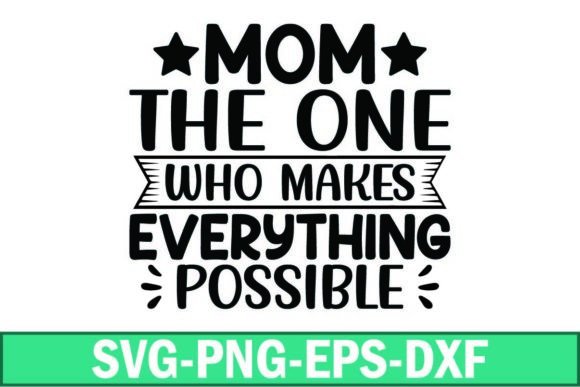
As a professional embroidery designer and product reviewer, I approach every new graphic with a critical eye toward stitchability and marketability. When evaluating Mom the One Who Makes Everything Possible, my first assessment focuses on how this digital asset translates from screen to fabric. This design falls squarely within the Crafts and Graphics categories, targeting a demographic that values sentimentality as much as aesthetics. The phrase itself carries significant emotional weight, suggesting that the typography and layout must balance readability with warmth. A machine embroidery design honoring motherhood cannot look clinical or overly rigid; it requires a fluidity that mimics the organic nature of the sentiment.
Upon reviewing the provided files—including AI, EPS, SVG, and PNG formats—I am looking for clean vector lines that will digitize well into satin stitch or fill stitch areas. Since this is a digital embroidery file intended for instant download, the versatility of these formats is crucial for craft business owners who may need to resize or recolor elements before stitching. The visual personality of this design feels best suited for projects that serve as personalized gifts or boutique merchandise rather than high-volume corporate branding. It demands a presentation that feels handmade and intentional.
Real-World Application: The Custom Sweatshirt Test
To truly understand the value of Mom the One Who Makes Everything Possible, we must move beyond the mockup and consider a real-life production scenario. Imagine preparing a custom apparel order for an Etsy seller specializing in Mother’s Day merchandise. The goal is a crewneck sweatshirt that feels premium and durable. In this context, the design serves as the centerpiece of the garment.
When planning this sweatshirt embroidery, I consider the interaction between the design and the fleece backing. Fleece is textured and can swallow fine details. If the lettering in this design relies on delicate running stitch or extremely thin serifs, they risk getting lost in the fabric pile. However, if the design utilizes bold satin stitch columns or optimized fill stitch areas, it will sit proudly on top of the texture, ensuring legibility and impact. For this specific project, I would likely pair the design with a warm, neutral thread palette—perhaps a vintage rose or slate blue—to enhance the nostalgic mood without overwhelming the wearer.
This scenario also highlights the importance of stabilization. A heavy design on stretchy knit fabric requires a cut-away stabilizer to prevent puckering. As a reviewer, I appreciate when a design’s structure naturally accommodates standard stabilizing practices. If Mom the One Who Makes Everything Possible has balanced stitch density, it reduces the risk of fabric distortion, making the finished product feel professional rather than homemade. This distinction is vital for small shop products where customer trust hinges on perceived quality.
Evaluating Versatility Across Different Substrates
Beyond apparel, this design holds promise for various other applications, though each comes with unique constraints. As a tote bag design, the artwork needs to withstand wear and tear. Canvas provides a stable foundation, allowing for higher stitch counts and more intricate detailing than knits. Here, the design can shine in its full resolution, potentially incorporating decorative flourishes that might be too risky on stretchy fabrics.
Conversely, using this design for baby embroidery requires extreme caution. Infant garments are typically made of lightweight cotton or interlock knits that are prone to tearing under dense stitching. If applying Mom the One Who Makes Everything Possible to a onesie or bib, I would strongly advise checking the stitch density first. You may need to simplify the design or reduce the size to prevent the fabric from becoming stiff or uncomfortable against sensitive skin. Safety and comfort always supersede aesthetic complexity in baby items.
For home decor like pillow covers or tea towels, the design acts as holiday embroidery or year-round sentimental decor. Linen and cotton twill are excellent choices here because their tight weave supports crisp edges. However, be mindful of washing. Items like kitchen towels undergo frequent laundering. Ensure your thread colors are colorfast and that the design does not have excessive jump stitches that could snag during wash cycles. A well-digitized version of this design should minimize trims and jumps to maintain structural integrity over time.
Critical Considerations for Makers and Sellers
While Mom the One Who Makes Everything Possible is a versatile asset, there are specific environments where it requires careful handling. Small hoop sizes present the most immediate challenge. Condensing a multi-word phrase into a 4x4 hoop often necessitates reducing text size to the point of illegibility or increasing stitch density to unsafe levels. Always confirm the minimum viable size before committing to a production run. If the design loses clarity at smaller scales, reserve it for larger formats like back-of-jacket prints or wall hangings.
Dark fabrics introduce another variable. Light thread on dark material creates high contrast, which is generally good, but it also exposes any registration errors or tension issues. If the design includes overlapping elements or intricate inner details, test on a scrap of the actual dark fabric first. Sometimes, adding an underlay or adjusting the pull compensation is necessary to keep the design aligned. Similarly, curved surfaces like caps demand specialized digitizing. Unless the file is specifically mapped for cap hoops, flattening a standard design onto a curved brim can result in distorted lettering and poor coverage.
For commercial embroidery professionals and digital product sellers, licensing and file integrity are paramount. The product description confirms you receive AI, EPS, SVG, and PNG files. These are source and display formats, not native machine embroidery formats like DST or PES. This means you or your digitizer must convert the graphics into stitches. Do not assume auto-digitizing software will produce sellable results instantly. Manual review of the stitch pathing is essential to ensure the final embroidered patch or apparel item meets professional standards.
Enhancing Product Value Through Presentation
The success of Mom the One Who Makes Everything Possible isn't just about the stitches; it is about how the finished product is perceived. Visual appeal directly influences buyer engagement. When listing this item, use printable mockups that accurately represent the scale and texture of the embroidery. Customers need to visualize the design on a tangible item, not just floating in white space. Show the design on a model wearing the sweatshirt or styled on a nursery shelf. This contextualization bridges the gap between digital art and physical reality.
Brand consistency matters for Etsy sellers and creative entrepreneurs. If your shop specializes in minimalist line art, ensure this design aligns with that aesthetic before adding it to your catalog. A mismatched design can confuse returning customers. Conversely, if your brand focuses on heartfelt, traditional craftsmanship, this design reinforces that identity. Professionalism in execution—from neat trimming to appropriate stabilizer selection—signals to buyers that you respect both the medium and the message.
- Test Before Selling: Always stitch out Mom the One Who Makes Everything Possible on scrap fabric matching your final substrate to verify density and sizing.
- Check Contrast: Evaluate thread colors against both light and dark backgrounds to ensure readability and aesthetic harmony.
- Verify Licensing: Confirm whether the included files allow for commercial use of finished physical products versus reselling the digital embroidery file itself.
- Stabilizer Selection: Match your stabilizer weight to the fabric type; use cut-away for knits and tear-away for stable wovens.
- Mockup Accuracy: Create realistic previews that show true-to-life scale and placement to manage customer expectations.
Ultimately, Mom the One Who Makes Everything Possible offers a strong foundation for meaningful embroidery projects. Its success depends entirely on the maker's willingness to adapt the digital asset to the physical realities of thread and fabric. By approaching this design with technical diligence and creative empathy, you can transform a simple graphic into a cherished handmade product that truly honors the sentiment it represents. Whether you are crafting a personalized gift for a loved one or building inventory for your craft business, let practical judgment guide your needle.