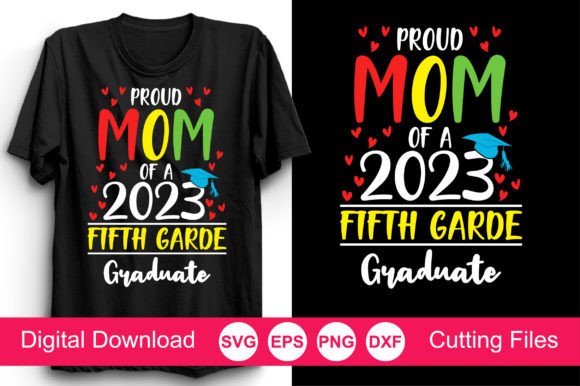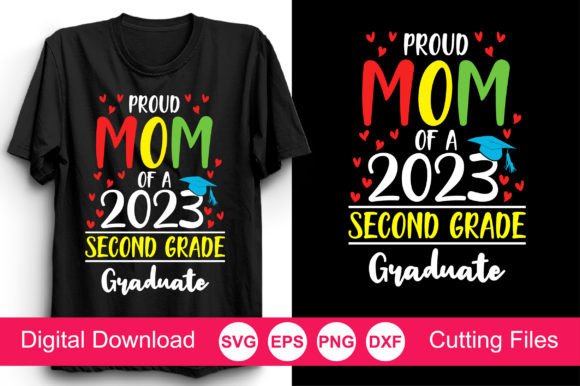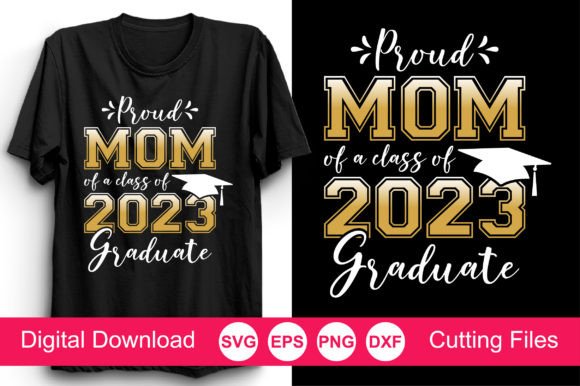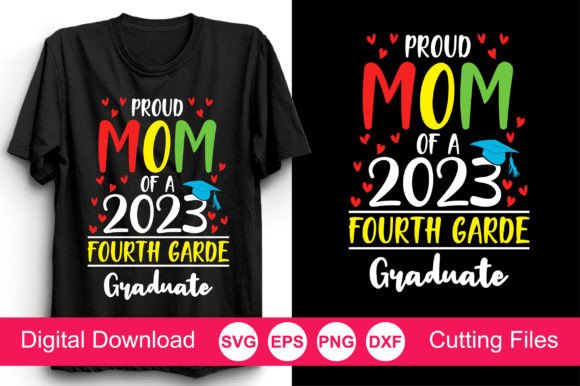
Proud Mom of a 2023 Kindergarten Grad Design Review
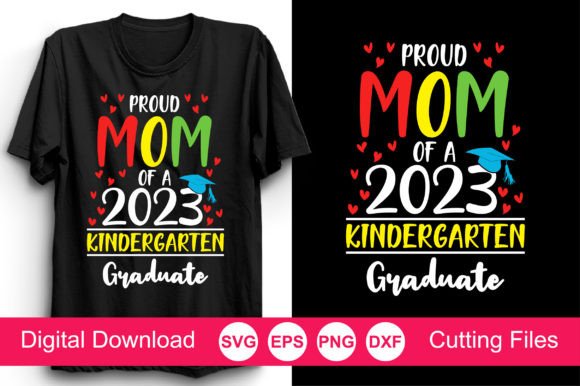
As a professional embroidery digitizer and product reviewer, I approach every new graphic asset with a critical eye toward stitchability. When evaluating the "Proud Mom of a 2023 Kindergarten Graduat" design, my primary focus is not just the aesthetic appeal on a screen, but how it translates into a tangible machine embroidery design. This specific artwork targets a highly emotional niche: mothers celebrating their child's first major academic milestone. The mood is celebratory yet sentimental, requiring a balance between bold typography and delicate details that honor the occasion without looking cluttered on fabric.
From a designer’s perspective, this graphic serves as a versatile foundation for custom apparel and keepsakes. However, because the provided files are vector-based (SVG, DXF, EPS) and high-resolution raster (PNG), rather than pre-digitized embroidery formats like PES or DST, this review focuses on the potential and necessary considerations for converting this art into a successful embroidery project. Understanding the source material is the first step in creating a finished product that meets client expectations and withstands real-world wear.
Translating Vector Art to Stitch Reality
The first impression of this design is clean and legible, which is promising for embroidery. In the world of Crafts and Graphics, clarity is king. Complex gradients often fail when stitched, but this design appears to utilize solid shapes and distinct lines, making it an excellent candidate for both satin stitch borders and fill stitch interiors. As a reviewer, I look for separation between elements. If the text "Kindergarten Graduate" is too close to decorative flourishes, it creates registration issues during stitching. Fortunately, the layout suggests adequate spacing, allowing for proper pull compensation when you eventually digitize or commission the digitizing of this digital embroidery file.
For those planning to use this as an applique design, the vector nature of the SVG and EPS files is a massive advantage. You can easily separate layers to create placement lines, tack-down stitches, and satin borders. This flexibility allows you to reduce stitch density significantly compared to a full-fill design, resulting in a softer hand feel that is crucial for children’s items or lightweight summer tops. Always verify that your digitizing software can import these vectors cleanly to maintain smooth curves; jagged nodes in the source file will result in jerky machine movement and poor edge definition.
Real-World Application: The Custom Sweatshirt Scenario
To truly evaluate this design, let us consider a specific case study: creating a custom crewneck sweatshirt for a mother attending her child's graduation ceremony. This is a high-stakes personalized gift where quality directly reflects on your craft business. Sweatshirts present unique challenges due to the fleece backing and stretchy knit face. When adapting "Proud Mom of a 2023 Kindergarten Graduat" for this medium, I would avoid dense fill stitches in large areas. Instead, I would utilize the design’s negative space or convert solid areas to running stitch textures to prevent the fabric from puckering.
In this scenario, the design acts as the centerpiece of a commercial embroidery transaction. A customer isn't just buying thread on fabric; they are buying a memory. Therefore, the visual hierarchy must be perfect. I would recommend testing the design size on a similar scrap fabric first. On a sweatshirt, a 4x4 inch version might get lost in the chest area, while an 8x8 inch version could overwhelm a petite frame. Finding that sweet spot ensures the tote bag design or apparel piece looks proportional. Additionally, consider the color palette. While the PNG provides a reference, you must select thread colors that contrast well against the garment. A white design on a heather grey sweatshirt requires a darker underlay or outline to remain crisp after washing.
Navigating Fabric Limitations and Hoop Constraints
While this design has immense potential, there are environments where caution is required. Detailed script fonts, common in "Proud Mom" themes, are notoriously difficult on textured fabrics like terry cloth towels or burlap. If you intend to use this for holiday embroidery on kitchen linens, you must increase the column width of any lettering. Thin lines simply sink into the pile and disappear. For such projects, modifying the design to have bolder strokes before digitizing is not optional; it is essential for readability.
Furthermore, pay close attention to hoop size limitations. If you are working with a multi-needle machine or a single-needle home machine, ensure the entire design fits within your usable sewing field with room for stabilizer clamping. Re-hooping to finish a phrase introduces alignment risks that can ruin a handmade product. If the design exceeds your hoop, plan a strategic split point that hides within a natural break in the artwork, such as between "2023" and "Graduate." Also, be wary of using this on performance wear or thin rayon. The stabilizer choice becomes paramount here; a cut-away mesh is often necessary to support the stitch load without distorting the drape of the garment.
Elevating Brand Value Through Technical Precision
For Etsy sellers and small shop owners, the technical execution of this design impacts buyer engagement and trust. Customers zoom in on listing photos. If they see uneven satin edges, bobbin thread showing through, or distorted letters, they assume low quality. Conversely, a perfectly executed version of "Proud Mom of a 2023 Kindergarten Graduat" signals professionalism. This extends to your marketing materials as well. Use the included 300 DPI PNG to create accurate printable mockups. Digital previews should accurately represent what the physical embroidery will look like. Misleading customers with a flat vector image when the final product is textured thread leads to returns and negative reviews.
Consistency across products also builds brand recognition. Whether you are applying this to a baby embroidery bib, an embroidered patch, or a ceramic mug via sublimation (using the PNG), maintaining the same color codes and proportions creates a cohesive collection. This cohesion encourages customers to purchase multiple items. Remember, as a seller of finished goods derived from this digital asset, your reputation hinges on the fidelity of your production. Treat the source file as a blueprint, but respect the physics of thread and fabric as the final authority.
Essential Pre-Production Checklist for Makers
Before listing this design or accepting custom orders, run through this practical checklist to ensure success:
- Verify Licensing: Confirm whether the license permits commercial use for finished physical products versus selling the digital file itself. Never resell the raw SVG or PNG unless explicitly allowed.
- Test Stitch Out: Always run a sew-out on the actual fabric you plan to sell. Screen resolution does not equal stitch reality.
- Check Contrast: View your test sew-out in black and white to ensure the design reads clearly without relying solely on color differentiation.
- Stabilizer Match: Document which stabilizer worked best for this specific design on different substrates to streamline future production.
- Wash Test: Launder the sample to check for shrinkage or thread bleeding, especially if mixing cotton threads with synthetic fabrics.
- Mockup Accuracy: Ensure your design assets used for listings reflect the true texture and scale of the embroidery.
Ultimately, "Proud Mom of a 2023 Kindergarten Graduat" is a strong contender for seasonal sales and personalized gifting. Its success, however, depends entirely on your willingness to adapt the digital art to the physical constraints of embroidery. By respecting the interplay between vector graphics and needle mechanics, you transform a simple download into a cherished heirloom that celebrates a significant life moment with the quality and care it deserves.