Softball Baseball Mom: An Embroidery Design Review
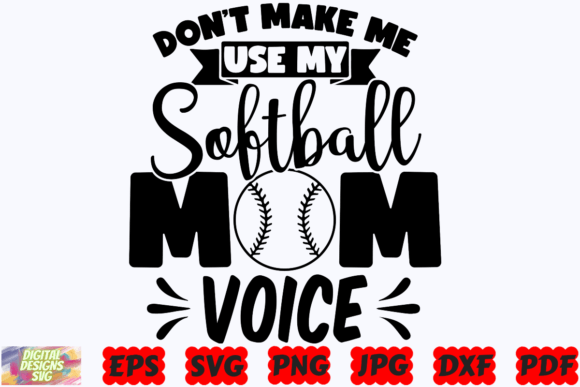
As a designer who spends just as much time behind an embroidery machine as I do at a computer screen, I approach every new graphic with a specific question: will this actually stitch out well? When evaluating the Softball Baseball Mom design, my first impression is one of versatile nostalgia. This isn't just a digital asset for a planner or sticker; it carries the visual weight of weekend tournaments, dusty fields, and proud parenting. For those of us in the Crafts industry, specifically creating personalized goods, this design bridges the gap between digital Graphics and tangible, stitched sentiment.
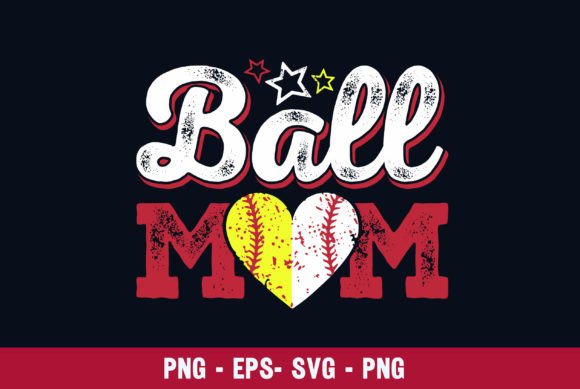
The layout suggests a balance that is crucial for embroidery. It avoids the chaotic clutter that often plagues sports-themed clip art, instead offering a clean silhouette or typographic arrangement that translates beautifully into thread. When I look at this design, I don't just see pixels; I see potential satin stitch borders and fill stitch textures that could define a high-quality handmade product. It feels like a design meant to be worn and washed, not just viewed on a screen.
Real-World Application: The Custom Sweatshirt Test
To truly judge the viability of this machine embroidery design, I mentally placed it in a real-life production scenario. Imagine preparing a custom apparel order for a local league tournament. A client wants matching sweatshirts for the moms in the dugout. This is where the Softball Baseball Mom design needs to perform under pressure.
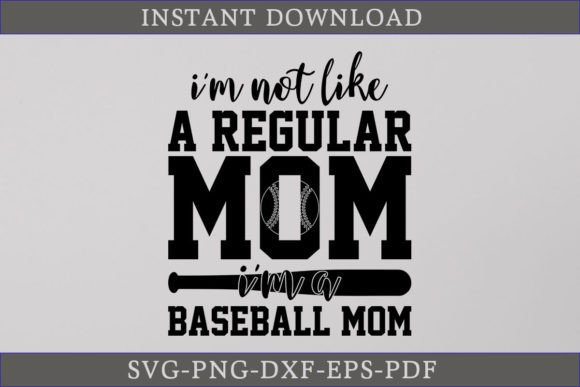
In this scenario, I am working with a mid-weight cotton fleece. The design’s structure implies it would serve as an excellent center chest placement or a smaller left-chest logo. Because the theme targets "Mom," the aesthetic needs to be legible from a distance but detailed enough to look premium up close. If I were stitching this out today, I would likely treat it as a combination piece. The text elements would require crisp satin stitch columns to ensure readability against the textured fleece, while any graphical icons (bats, balls, gloves) would benefit from a lighter fill stitch to prevent the garment from becoming bulletproof.
This specific use case highlights why checking your embroidery file before production is non-negotiable. While the product description mentions its utility for planners and scrapbooking, translating those clean vector lines into a sweatshirt embroidery project requires verifying stitch density. Fleece eats stitches; if the design was originally digitized for paper crafts or light quilting cotton, you may need to add underlay or adjust pull compensation to keep the letters from sinking into the fabric nap.
Versatility Across Products and Fabrics
Beyond apparel, this design holds significant promise for other commercial embroidery projects. As an Etsy seller or small shop owner, you are likely looking for assets that can be adapted across multiple SKUs. The Softball Baseball Mom theme naturally lends itself to:
- Tote Bag Design: Canvas totes are a staple for sports moms. The design’s likely bold lines would pop on natural canvas, making it a fast-selling item at craft fairs.
- Kitchen Towels and Aprons: These items face frequent washing. A design with moderate density and secure edge finishing is vital here to prevent fraying after dozens of laundry cycles.
- Embroidered Patches: If you have the capability, this graphic could be converted into a merrowed-edge patch for caps or jackets, expanding your product line without re-digitizing from scratch.
- Baby Embroidery: For "new mom" gifts or sibling announcements, scaling this down for onesies requires careful attention to tiny lettering. Ensure the smallest text remains above 4mm in height to avoid needle breaks and illegibility.
However, versatility does not mean universality. There are specific environments where you must exercise caution. Dark fabrics, for instance, can be tricky if the design relies on internal contrast rather than outline definition. Always test thread colors against your specific dark garment stock; what looks good in a printable mockup might disappear on navy polyester. Similarly, stretchy performance wear requires a specialized stabilizer and potentially a ballpoint needle to prevent runs in the fabric. Never assume a standard setup works for every application of this design.
Visual Impact and Customer Perception
In the handmade market, perceived value is everything. A sloppy stitch-out signals a hobbyist; a clean, well-executed design signals a professional. The Softball Baseball Mom design affects buyer engagement because it taps into a specific emotional niche. When a customer sees this finished product, they aren't buying thread; they are buying identity and belonging.
For this reason, the clarity of the embroidery project is paramount. Visual appeal hinges on registration—how well the different color blocks align. If the design includes overlapping elements, such as a bat crossing over text, the digitizing must account for layer order. Poor registration makes even the best graphics look cheap. Before listing this as a digital embroidery file or selling the finished good, run a black and white mockup test. If the design reads clearly without color contrast, the structural integrity is sound. If it turns into a muddy blob, you may need to edit the stitch file or choose a different application.
Furthermore, consider the giftability factor. Personalized gifts for sports moms are high-demand items during holiday seasons and end-of-year banquets. Using this design creates a sense of occasion. However, professionalism also means respecting licensing. Always confirm whether your purchase allows for commercial embroidery or if it is restricted to personal use. Nothing damages brand trust faster than selling unauthorized digital assets or misrepresenting a design's origin.
Essential Notes for the Embroidery Designer
Before you hoop your first piece of fabric for this Softball Baseball Mom project, take these practical steps to ensure success. Experience has taught me that five minutes of prep saves hours of frustration:
- Verify Specifications: Since exact stitch counts and hoop sizes are not provided in the basic description, open the file in your software first. Confirm it fits your machine’s maximum field and that the stitch count is appropriate for your intended fabric weight.
- Stabilizer Selection: Match the stabilizer to the fabric, not the design. Use cut-away for knits and tear-away for wovens. For a tote bag design, a medium-weight fusible mesh often provides the best stability without adding bulk.
- Thread Color Contrast: Don't rely solely on the digitizer's suggested palette. Test on a scrap of the actual production fabric. Lighting conditions at a craft fair or in a boutique differ from your studio lights.
- Check Small Details: Inspect any thin lines or serif fonts. If running stitches are shorter than 1mm, they may cause thread breaks or bird nesting. Consider widening them slightly in your editing software if necessary.
- Licensing Compliance: Double-check the terms regarding commercial embroidery and digital resale. Protect your business by ensuring you have the right to sell the finished product or the digital embroidery file.
Ultimately, the Softball Baseball Mom design represents a fantastic opportunity for makers to connect with a passionate audience. Whether you are creating a custom apparel line, stocking your Etsy shop with holiday embroidery, or crafting a personalized gift for a friend, success lies in the details. Treat this graphic not just as a downloadable image, but as a blueprint for a physical object. Respect the mechanics of the machine, understand the behavior of your materials, and honor the sentiment behind the design. When technical execution meets emotional resonance, you create products that customers cherish and return for time and again.