The Best Papillon Mom Dad Ever: A Designer’s Review
As an embroidery digitizer and product reviewer, I approach every new graphic with a specific question: will this actually stitch out beautifully, or is it just a pretty picture on a screen? When evaluating The Best Papillon Mom Dad Ever from Doggie Art Delight Studio, my focus shifts immediately from digital aesthetics to tangible production value. This vector graphic carries a distinct charm that appeals directly to the niche market of Papillon owners, but its true worth lies in how well it translates into a finished embroidery project. For Etsy sellers, craft business owners, and makers creating personalized gifts, understanding the transition from vector art to stitched reality is the difference between a five-star review and a production headache.
Capturing the Papillon Silhouette in Thread
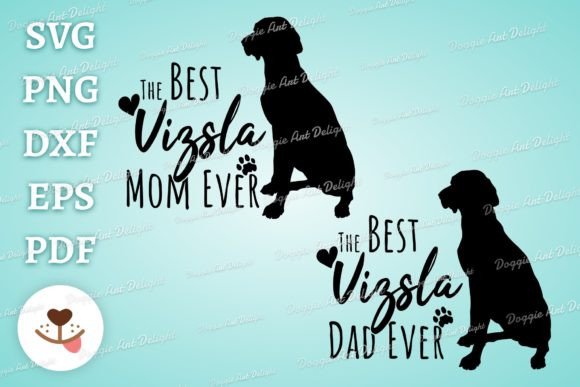
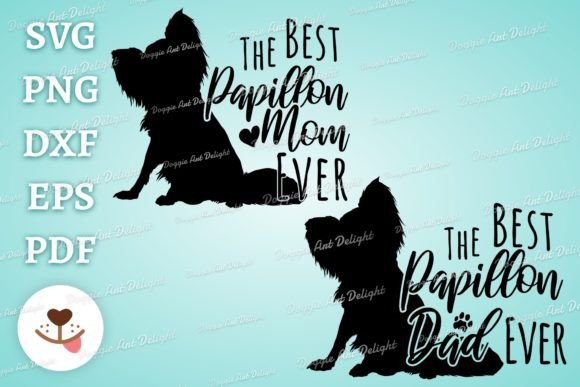
My first impression of this design is its celebration of the breed's defining feature: those iconic, butterfly-like ears. In the world of Graphics and Crafts, capturing a Papillon requires balancing delicate lines with recognizable shape. This artwork succeeds because it avoids overly complex shading that often gets lost in translation. Instead, it offers clean, confident lines that suggest where a satin stitch border or a smooth fill stitch should go. The mood is affectionate yet dignified, making it suitable for both playful baby items and sophisticated adult apparel.
For a designer, this clarity is a relief. Many dog breed designs suffer from excessive detail that turns into a thread nest on fabric. The Best Papillon Mom Dad Ever respects the limitations of thread while maximizing visual impact. It feels like a design intended for production, not just display. When I look at this file, I can already visualize the color blocking and the order of operations needed to bring the "Best Mom" and "Best Dad" text elements into harmony with the canine portrait.
Real-World Application: Stitching a Custom Sweatshirt
To truly test the viability of this asset, I mentally placed it into a real-life scenario: creating a premium crewneck sweatshirt for a boutique holiday collection. Sweatshirt fleece is a common but tricky substrate for custom apparel. It has texture, stretch, and pile that can swallow fine details. Because this source material is a high-quality vector, it provides the flexibility needed to adjust for this specific fabric texture.
In this scenario, I would use the graphic to create a chest-sized placement. The bold typography integrated into the design allows for excellent readability even if the sweatshirt fabric shifts slightly during hooping. For the dog illustration itself, I would lean toward a combination of applique design techniques and outline stitching rather than full coverage fill. This reduces stitch density, preventing the garment from becoming stiff or bulletproof—a common complaint with poorly optimized machine embroidery design files. The result would be a soft, wearable finished product that customers actually want to wear repeatedly, increasing the perceived value of my small shop product line.
Navigating Fabric Challenges and Hoop Limitations
While the versatility of this vector graphic is a major strength, practical application requires caution. Not every surface is friendly to detailed dog portraits. If you are planning to use The Best Papillon Mom Dad Ever on curved surfaces like caps, be aware that the ear span may require distortion or resizing to fit the limited vertical space of a hat front. Caps demand simplified geometry; what looks elegant on a flat tote bag design might lose definition on a structured crown.
Similarly, exercise restraint when working with stretchy knits or sheer fabrics. These materials require significant stabilization, and dense areas of the design could cause puckering. Always pair this graphic with the appropriate stabilizer for your chosen medium. For baby embroidery projects, such as onesies or bibs, safety and comfort are paramount. You must ensure that any digitized version of this art avoids rough backing or excessive thread buildup against sensitive skin. On dark fabrics, remember that light-colored threads need a solid underlay to prevent the fabric color from bleeding through, which adds density. Testing on scrap fabric is non-negotiable here to ensure the contrast pops without compromising the garment's drape.
Commercial Viability and Brand Consistency
For creative entrepreneurs and digital product sellers, consistency builds trust. Using a professional vector source like this ensures that your printable mockup matches the final embroidered output. There is nothing worse than selling a digital embroidery file based on low-resolution clip art that stitches out jagged and pixelated. High-quality vectors allow you to scale the design for various products—from tiny embroidered patch sizes to large pillow covers—without losing edge fidelity.
This scalability directly impacts buyer engagement. When customers see crisp, professional imagery in your listing photos, they trust that the physical item will match that standard. Whether you are selling the physical handmade product or the digitized file itself, the integrity of the original art by Doggie Art Delight Studio serves as the foundation for your brand’s reputation. It signals that you care about quality assets, which translates to higher customer retention and fewer disputes over design clarity.
Essential Pre-Production Checklist for Makers
Before you load this graphic into your digitizing software or send it to a commercial embroiderer, run through this practical checklist to ensure success:
- Verify Licensing Terms: Confirm specifically whether your purchase includes commercial rights for selling finished goods, digital files, or both. Never assume usage rights based on category alone.
- Test Contrast Ratios: View the vector in black and white before assigning thread colors. If the design relies solely on color to define shapes, it may fail on monochromatic fabrics. Ensure structural lines define the Papillon’s features independently of color.
- Assess Text Legibility: If incorporating the "Mom/Dad" text, check the minimum height. Serif fonts or thin scripts often disappear in embroidery. You may need to swap to a bolder, embroidery-friendly typeface while maintaining the original layout’s spirit.
- Evaluate Stitch Pathing: When digitizing, plan jump stitches carefully. The intricate ear feathers of a Papillon can create unnecessary trims if not pathed logically. Efficient pathing saves time and improves the backside appearance of holiday embroidery gifts.
- Mockup Realistically: Do not rely on flat digital previews. Use textured overlays in your printable mockup to simulate how thread sheen and fabric weave interact with the design. This manages customer expectations regarding the final look.
- Check File Compatibility: Since this is a vector graphic, ensure you have the correct software to convert it to your specific embroidery machine format (PES, DST, JEF, etc.) or hire a professional digitizer who understands breed-specific nuances.
Final Thoughts on Design Integrity
The Best Papillon Mom Dad Ever stands out because it bridges the gap between artistic sentiment and manufacturing reality. It captures the heart of the breed without sacrificing the technical requirements of needle and thread. For the Etsy seller looking to expand their pet parent niche, or the hobbyist making a meaningful gift for a fellow enthusiast, this graphic offers a reliable starting point. By treating this vector art with respect for the embroidery process—testing, stabilizing, and optimizing—you transform a digital file into a cherished, tactile keepsake. In the competitive landscape of commercial embroidery and handmade goods, that attention to foundational quality is exactly what separates fleeting trends from enduring bestsellers.