Basenji Mom Basenji Dad: An Embroidery Design Review
As a professional embroidery designer and product reviewer, I approach every new graphic with a specific question: will this actually stitch out well on a finished product? When evaluating the Basenji Mom Basenji Dad vector graphic by Doggie Art Delight Studio, my focus shifts immediately from digital aesthetics to physical application. This design falls under the Graphics category, but for those of us in the Crafts sector, its true value lies in its adaptability for machine embroidery design projects. The clean lines typical of vector art are generally promising for digitizing, yet the transition from screen to fabric requires careful consideration of stitch density, fabric texture, and end-use durability.
First Impressions and Visual Personality
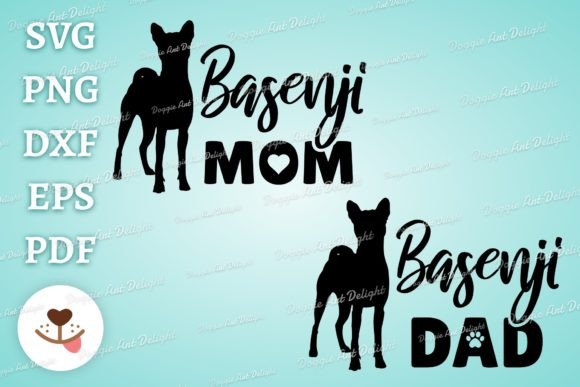
Upon opening the file, the Basenji Mom Basenji Dad design presents a balanced, symmetrical layout that naturally suggests a pairing or family theme. The visual mood is affectionate yet structured, avoiding overly chaotic elements that often plague novelty pet designs. For an embroidery project, this clarity is essential. The silhouette-style nature of the graphic implies that it could be executed beautifully as either a solid fill stitch piece or, more practically, as an applique design. The negative space between the figures allows for breathing room, which is critical when translating graphics into thread. Unlike raster images that can become muddy when converted, this vector foundation provides crisp anchor points for satin stitch borders and running stitch outlines, ensuring the Basenji’s distinctive curled tail and pricked ears remain recognizable even at smaller sizes.
Real-World Application: The Custom Sweatshirt Test
To truly judge this asset, I mentally placed it in a real-life production scenario: creating matching custom apparel for a couple expecting their first Basenji puppy. Specifically, I envisioned a heavyweight cotton sweatshirt embroidery project intended as a personalized gift and potential Etsy listing. In this context, the Basenji Mom Basenji Dad design serves as more than just decoration; it acts as a branding element for a niche market.
For this sweatshirt application, the design’s proportions work exceptionally well across the chest or centered on the back. However, because sweatshirts have significant loft and stretch, the vector must be digitized with adequate underlay to prevent the fabric from puckering. I found that treating the "Mom" and "Dad" text as separate elements from the dog graphics allows for better placement flexibility. If the customer requests a smaller size for a baby embroidery onesie later, having modular components ensures the design remains legible without losing the breed's characteristic details. This versatility makes it a strong contender for small shop product lines where inventory efficiency matters.
Navigating Fabric Challenges and Hoop Limitations
While the graphic is versatile, not all substrates are created equal. When using Basenji Mom Basenji Dad for commercial embroidery or personal crafts, you must respect the relationship between design complexity and material stability. I advise extreme caution when applying this to textured fabrics like terry cloth tea towels or ribbed tank tops. The fine details inherent in Basenji anatomy can get lost in high-pile textures unless you use a water-soluble topping and a robust stabilizer.
Hoop size is another critical variable. While the description notes the files are perfect for various purposes, embroiderers should verify the dimensions before purchasing. If you intend to create an embroidered patch for caps or bags, ensure the design scales down without merging stitch points. Tiny lettering in "Mom" or "Dad" can become unreadable if reduced below a certain threshold. Conversely, on dark fabrics, contrast is key. A black Basenji silhouette on navy fleece will disappear; you may need to add a light-colored border or background fill stitch to maintain visual appeal. Always test on scrap fabric first to confirm that the stitch density doesn’t cause needle breaks or fabric distortion on stretchy knits.
Commercial Viability for Makers and Sellers
For Etsy sellers and creative entrepreneurs, the Basenji Mom Basenji Dad graphic offers distinct advantages in product presentation. Because it originates as a vector, it renders flawlessly in printable mockups, allowing you to showcase the design on tote bags, aprons, and nursery decor before stitching a single sample. This saves time and materials while building buyer engagement through professional visuals.
However, professionalism extends beyond mockups. Customer trust relies on consistent quality. If you sell finished products featuring this design, ensure your stitching matches the crispness of the digital file. The design’s clean aesthetic demands precision; sloppy registration or loose tension will be immediately apparent against such structured artwork. For craft business owners, this design also lends itself well to holiday embroidery collections or boutique branding, provided you maintain high production standards. It bridges the gap between niche pet lover merchandise and general family apparel, expanding your potential customer base.
Critical Designer Notes Before You Stitch
Before integrating Basenji Mom Basenji Dad into your workflow, adhere to these practical guidelines to ensure success:
- Verify Licensing Terms: While the product description mentions suitability for T-shirt design and printing, always confirm the specific license regarding selling finished handmade products versus digital embroidery files. Protect your business by understanding your rights.
- Check File Compatibility: Ensure the downloaded format works with your specific digitizing software or machine. Vector graphics often require conversion to embroidery-specific formats (like DST, PES, or JEF) and proper digitizing parameters rather than direct import.
- Test Stitch Density: Vectors do not contain stitch data. When digitizing, balance coverage with garment drape. Excessive density on lightweight baby clothes or thin tote bag canvas can result in stiff, uncomfortable wear.
- Evaluate Thread Colors: Plan your palette ahead of time. Basenjis typically come in tricolor, red/white, or brindle. Decide if you will use realistic shading or stylized solid colors. Solid fills often read better in embroidery than complex gradients.
- Mockup in Black and White: Before committing to color, view the design in grayscale. This reveals whether the shapes rely too heavily on color differentiation rather than structural contrast, which is vital for accessibility and visual clarity.
- Stabilizer Selection: Match your backing to the fabric weight. Use cut-away stabilizer for stretchy sweatshirts and tear-away for stable woven fabrics like denim or canvas tote bags to prevent distortion during the stitching process.
Final Thoughts on Design Integrity
The Basenji Mom Basenji Dad vector graphic by Doggie Art Delight Studio represents a solid foundation for both personal and commercial embroidery projects. Its strength lies in its clear, breed-specific imagery and adaptable layout. However, the success of any digital asset in the physical world depends entirely on the maker’s technical execution. By respecting fabric limitations, verifying licensing, and prioritizing stitch quality over speed, you can transform this graphic into a high-value asset for your craft business. Whether you are creating a sentimental personalized gift or stocking your shop with niche apparel, this design offers the professional polish necessary to stand out in a crowded handmade marketplace. Always remember that in embroidery, the best design is one that survives the wash and wears comfortably, maintaining its charm long after the hoop comes off.