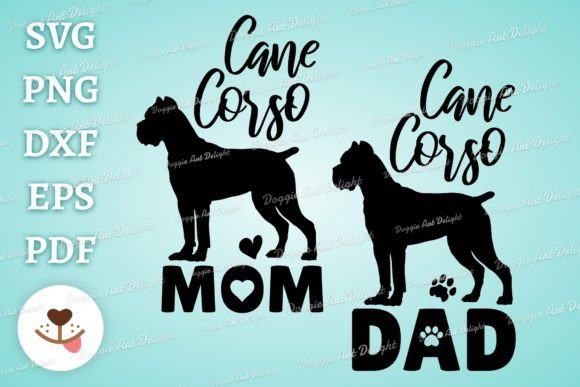
Cane Corso Mom Dad: A Designer’s Embroidery Review
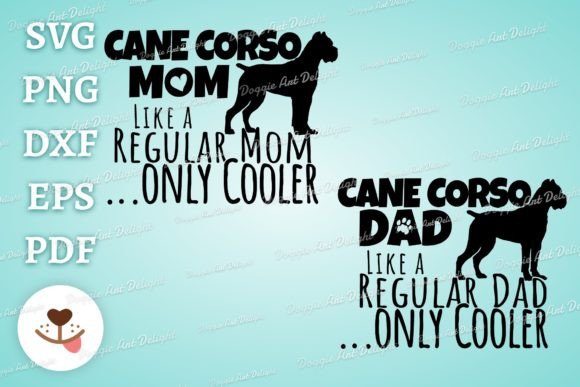
As a professional embroidery digitizer and product reviewer, I approach every new graphic asset with a specific question: will this actually stitch out cleanly on real fabric? When evaluating the "Cane Corso Mom Cane Corso Dad" vector graphics from Doggie Art Delight Studio, my focus shifts immediately from screen to hoop. This design targets a passionate niche of dog lovers, but for an Etsy seller or small shop owner, the success of a finished product relies entirely on how well the artwork translates into a machine embroidery design. My initial impression is that this graphic possesses the bold, confident lines necessary for apparel, yet it requires strategic planning regarding stitch density and fabric choice to maintain its visual integrity.
Translating Vector Lines to Stitched Reality
The original high-quality vector format is an excellent starting point for any embroidery project because clean lines are the foundation of good digitizing. However, vectors are mathematical perfection, while thread has physical limitations. In reviewing the layout of "Cane Corso Mom Cane Corso Dad," I see a design that naturally lends itself to sweatshirt embroidery or custom apparel. The typography and canine silhouette likely offer distinct separation, which is crucial when converting to satin stitch or fill stitch areas. For a crafter creating personalized gifts, this separation ensures the text remains legible and the dog breed is instantly recognizable even from a distance.
When preparing this for a commercial embroidery run, such as boutique merchandise or craft fair products, the balance between detail and durability is paramount. Cane Corsos are powerful, muscular dogs, and the artwork reflects that strength. To capture this mood in thread, you cannot rely on tiny running stitch details that might get lost in the fabric texture. Instead, the design demands confident column widths and adequate underlay. If you are using this as an applique design, the vector edges provide perfect cutting lines, allowing for crisp fabric placement that reduces bulk—a critical factor when stitching on baby clothes or lightweight tote bags.
Real-World Application: The Custom Sweatshirt Test
To truly judge the viability of "Cane Corso Mom Cane Corso Dad," I mentally placed it in a real-life production scenario: creating a premium crewneck sweatshirt for a client who breeds and shows these dogs. This is a classic use case for handmade shop owners. Sweatshirts have a fleece interior and a stable cotton face, making them ideal for medium-to-high stitch density designs. However, the loft of the fabric can swallow fine details.
In this scenario, I would evaluate the graphic’s negative space. Does the design allow the fabric color to breathe, or is it a solid block of ink? For embroidery, we want the former. A heavy block of fill stitch on a sweatshirt creates a bulletproof vest effect that is uncomfortable and unprofessional. By utilizing the vector nature of this graphic, I would advise breaking up large solid areas with textured fills or incorporating the garment color as part of the design. This not only improves the drape of the finished product but also reduces stitch count, saving time and thread costs for the small business owner. Furthermore, testing this design on a scrap piece of similar fleece is non-negotiable to ensure the registration holds and the lettering doesn't sink into the pile.
Navigating Fabric Limitations and Hoop Constraints
While "Cane Corso Mom Cane Corso Dad" shines on stable garments, caution is required for more challenging substrates. As an experienced designer, I must warn against using complex versions of this graphic on stretchy performance wear or thin knits without significant modification. The tension required for detailed satin stitches can distort elastic fabrics, causing the design to pucker or tunnel. If your embroidery project involves activewear, consider simplifying the design assets to reduce stitch density or switching to a lighter running stitch aesthetic.
Hoop size is another practical constraint. This graphic likely has a horizontal or stacked orientation perfect for chest placements or tote bag designs. However, if you attempt to shrink this down for a baby bib or a cap, you risk losing the essence of the Cane Corso. Tiny lettering becomes unreadable, and intricate facial features turn into mud. Always check the minimum recommended size before purchasing or digitizing. For caps specifically, the curvature adds another layer of difficulty; elements near the brim seam may need repositioning. Conversely, when scaling up for large pillow covers or blankets, ensure the vector resolution supports the expansion without jagged edges, and verify that your stabilizer strategy can support the increased weight of the thread.
Commercial Value and Customer Perception
For Etsy sellers and creative entrepreneurs, the visual appeal of your listing photos directly correlates to sales. "Cane Corso Mom Cane Corso Dad" carries a specific emotional weight—it speaks to identity and pride. When this translates well to embroidery, it builds customer trust. A clean, professional stitch-out signals that you care about quality, not just quick turnover. Buyers in this niche are knowledgeable; they know what a Cane Corso looks like, and they will notice if the proportions are off or the stitching is sloppy.
Using printable mockups derived from these vector graphics is a smart way to test market interest before committing to physical samples. However, nothing replaces the authenticity of a photographed finished product. When showcasing this design, highlight the texture of the thread and the clarity of the breed characteristics. This demonstrates professionalism and helps manage buyer expectations. Additionally, clear communication about customization options—such as changing "Mom" to "Dad" or altering thread colors to match specific dog coats—adds value to your digital embroidery file offerings or custom services.
Essential Technical Notes for Makers
Before loading "Cane Corso Mom Cane Corso Dad" into your machine or listing it in your shop, adhere to these professional best practices:
- Verify Licensing: Confirm the specific usage rights from Doggie Art Delight Studio. Ensure you are permitted to sell finished embroidered items versus just the digital files themselves.
- Test on Target Fabric: Never assume a design works universally. Test on the exact fabric blend you intend to sell to check for puckering and coverage.
- Stabilizer Selection: Match your stabilizer to the fabric weight and stitch density. Cut-away is generally safer for apparel longevity, while tear-away may suffice for towels.
- Thread Contrast Check: View the design in black and white during the planning phase to ensure tonal contrast exists independent of color choices.
- Mockup Accuracy: Use realistic textures in your digital previews so customers understand the difference between a printed graphic and a stitched texture.
- Detail Inspection: Zoom in to 100% to check for overlapping stitches or gaps that could cause production issues.
Ultimately, "Cane Corso Mom Cane Corso Dad" represents a strong opportunity for makers in the Crafts and Graphics categories. Its success depends less on the file itself and more on the intentionality of the creator. By respecting the physics of thread and the expectations of the Cane Corso community, you can transform these vector assets into cherished, high-value embroidered goods that stand the test of time and washing.