Ball Mom: A Designer’s Embroidery Review
First Impressions and Visual Personality
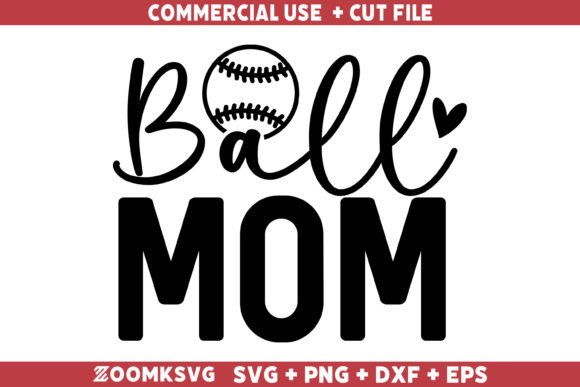
When evaluating a new machine embroidery design for my shop, I look beyond the digital preview to understand how it will actually perform under the needle. The Ball Mom graphic immediately strikes a specific chord. It carries a distinct visual personality that balances sporty enthusiasm with maternal pride. As a designer, I appreciate graphics that communicate a clear message without relying on excessive complexity. This design feels approachable yet structured, making it an excellent candidate for both personal projects and commercial inventory. In the realm of Crafts and Graphics, finding artwork that translates well from screen to stitch is paramount, and this layout suggests a thoughtful composition that respects the limitations and strengths of thread.
The mood created by Ball Mom is energetic but grounded. It does not feel chaotic or overly intricate, which is often a red flag for embroidery digitizing. Instead, the shape and theme suggest clean lines and defined areas of color. For a small business owner or Etsy seller, this visual clarity is essential. Customers need to recognize the design instantly, whether they are viewing a thumbnail on a mobile device or seeing the finished product across a room at a craft fair. The typography and iconography appear balanced, suggesting that the embroidery file has been optimized to prevent the common issue of text getting lost in dense stitching or fabric texture.
Real-World Application: Stitching a Custom Tote Bag
To truly judge the viability of this asset, I mentally walked through a recent client request for a custom team mom tote bag. This scenario tests the design's versatility because tote bags require durability, visibility, and a professional finish. When applying Ball Mom to a canvas tote, the primary concern is stability and scale. Canvas is forgiving, but it can be thick. I envision using a medium-weight cutaway stabilizer to ensure the design remains crisp after washing. The graphic’s layout seems perfectly suited for the center chest or upper panel of a bag, providing ample space for the design to breathe without competing with seams or handles.
In this real-life application, I would likely pair the design with a solid thread palette matching team colors. Because the description notes its utility for tote bag design and custom apparel, I am confident the digitizing accounts for these substrates. However, as a reviewer, I always advise checking the specific hoop size requirements before purchasing. If the design is too large for a standard 4x4 hoop, you may need to resize or split it, which can alter the stitch integrity. For my tote project, assuming the size is appropriate, the result would be a high-value handmade product that justifies a premium price point due to its customized, polished appearance.
Versatility Across Apparel and Accessories
Beyond bags, the Ball Mom asset shows significant promise for sweatshirt embroidery and custom apparel. Sweatshirts and hoodies are staples for sports moms, but the fleece backing and stretchy knit fabric present challenges. The design must have adequate underlay to prevent puckering. Based on the graphic's structure, it appears suitable for fill stitches rather than heavy satin columns, which is ideal for knits. This makes it a safer bet for commercial embroidery businesses fulfilling bulk orders for team parents who want matching gear.
For smaller items like caps or baby bibs, caution is necessary. While the product description mentions custom hats and baby embroidery, curved surfaces and tiny garments demand specialized digitizing. If you plan to use Ball Mom on a structured cap, verify that the file includes cap-specific compensation or test it on a flat brim first. Similarly, for baby items, ensure the back of the embroidery is smooth or covered to prevent skin irritation. The design’s adaptability to print-on-demand and printable mockups also adds value for digital sellers who want to showcase the graphic on tumblers or mugs without stitching every variation physically.
Navigating Fabric Challenges and Technical Limits
No matter how beautiful the digital embroidery file is, the substrate dictates the outcome. I have seen gorgeous designs fail on textured fabrics like terry cloth or pique polo shirts. If you intend to use Ball Mom on kitchen towels or performance wear, you must adjust your strategy. Textured fabrics can swallow fine details. In such cases, I recommend placing a water-soluble topping over the fabric before stitching to keep the design elements visible and sharp. Without this step, even the best applique design or lettering can look muddy.
Stretchy fabrics and dark materials also require careful consideration. Dark fabrics show every errant jump stitch and registration error. Before running Ball Mom on a black hoodie or navy windbreaker, inspect the trim commands in your software. Efficient pathing reduces trims and improves production speed, which directly impacts profitability for Etsy sellers and small shop products. Furthermore, if the design contains light-colored elements intended for dark backgrounds, ensure there is sufficient contrast. White thread on white fabric might look elegant digitally but disappears physically. Always test thread colors against the actual garment material, not just a screen representation.
Preserving Detail in Small Formats
One of the most common pitfalls for makers is resizing designs below their intended minimum. If Ball Mom includes small text or delicate accents, shrinking it to fit a 3-inch hoop or a pocket logo area could compromise legibility. Stitch density increases proportionally when reducing size, leading to thread breaks and needle damage. Conversely, enlarging it excessively can cause gaps in satin stitch borders. As a professional reviewer, my advice is to respect the digitizer's original parameters. If you need a significantly different size for embroidered patches or sleeve cuffs, seek a version specifically digitized for that dimension rather than forcing a resize.
Business Value and Professional Presentation
For creative entrepreneurs, Ball Mom represents more than just a pretty picture; it is a tool for building brand consistency and customer trust. Using high-quality design assets signals professionalism. When clients see clean registration, appropriate stabilizer usage, and thoughtful placement, they perceive higher value. This design fits naturally into niches like holiday gifts, team merchandise, and personalized mother’s day presents. Its broad appeal allows for diverse inventory creation, from holiday embroidery specials to everyday boutique branding.
However, ethical business practice requires verifying licensing. The description indicates usage for print-on-demand and various physical goods, but you must confirm whether selling the digital file itself or modified versions is permitted. Protecting your craft business means respecting intellectual property while maximizing allowed commercial applications. Additionally, creating accurate printable mockups helps set realistic customer expectations. Show the design on the actual type of garment you sell, noting any texture or color variations, to reduce returns and increase buyer engagement.
Essential Pre-Stitch Checklist for Makers
Before committing Ball Mom to a final finished product, run through this practical evaluation list to ensure success:
- Test on Scrap Fabric: Never stitch directly on a customer’s garment without testing the embroidery project on similar weight and texture material first.
- Verify Stabilizer Pairing: Match your stabilizer to the fabric stretch and design density; use tear-away for stable wovens and cutaway for knits.
- Check Thread Contrast: View your thread selection in natural lighting to ensure readability, especially for text elements within the design.
- Inspect Hoop Compatibility: Confirm the design dimensions fit your machine’s hoop with adequate margin for clamping and movement.
- Review License Terms: Double-check permissions for personalized gifts versus commercial resale to avoid legal issues.
- Analyze Stitch Types: Identify if the design uses applique, satin, or fill stitches to prepare the correct needles and threads beforehand.
- Create Physical Samples: Photograph real stitched samples rather than relying solely on digital renders for your shop listings.
Ultimately, Ball Mom offers a strong foundation for a wide array of creative endeavors. By approaching it with a critical, experienced eye and adhering to best practices in stabilization and fabric selection, makers can transform this graphic into profitable, cherished items. Whether you are producing baby embroidery keepsakes or outfitting an entire softball team, the key lies in respecting the technical realities of the medium. Good design is only half the battle; skilled execution brings Ball Mom to life in a way that delights customers and elevates your handmade brand.