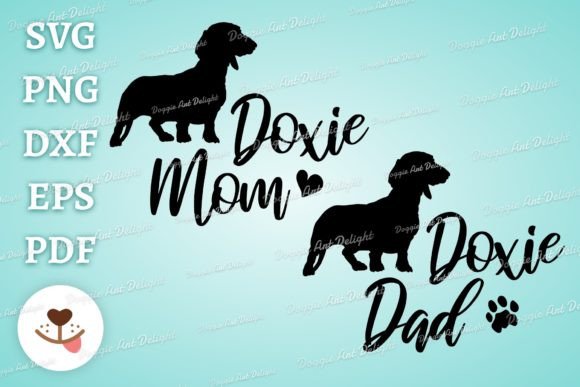
Doxie Mom Doxie Dad: A Designer’s Embroidery Review
As a professional embroidery designer and product reviewer, I approach every new graphic asset with a specific question: will this actually stitch out beautifully on a finished product? When evaluating Doxie Mom Doxie Dad by Doggie Art Delight Studio, my focus shifts immediately from the screen to the hoop. This original high-quality vector graphic carries a distinct charm that appeals directly to the dachshund community, but translating digital art into a tangible machine embroidery design requires careful consideration of line weight, negative space, and fabric interaction. My first impression is that this artwork possesses the playful yet clean aesthetic necessary for successful digitizing, avoiding the cluttered complexity that often plagues breed-specific graphics.
Translating Vector Lines to Stitch Reality
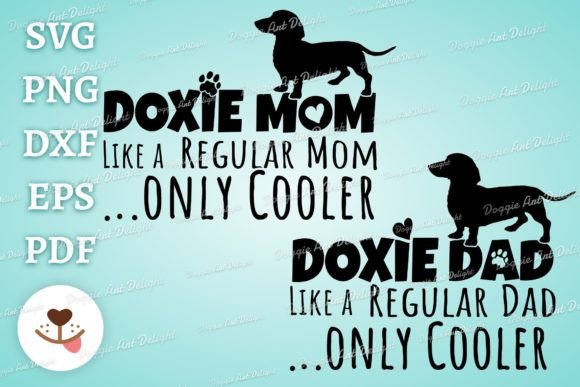
The strength of Doxie Mom Doxie Dad lies in its vector foundation. For those of us in Crafts and apparel decoration, vector Graphics are the gold standard because they offer scalable precision without pixelation. However, a crisp line on a monitor does not always guarantee a crisp satin stitch on fabric. In reviewing this design for real-world application, I look for shapes that can be cleanly converted into stitch types. The silhouette of the dachshunds in this artwork appears robust enough to support either a dense fill or a bold outline, which is crucial when creating custom apparel or an embroidered patch.
When planning a project, consider how the text "Doxie Mom" and "Doxie Dad" interacts with the canine illustrations. In embroidery, typography must be legible at various sizes. If you are using this as a base for a digital embroidery file, ensure the lettering has enough width to prevent thread breaks or puckering. The balanced composition of this design suggests it would digitize well for both left-chest placements on polos and larger center-chest designs on hoodies. For the Etsy seller or small shop product creator, this versatility means one purchase can yield multiple SKU variations, maximizing your return on design assets.
Real-World Application: The Custom Sweatshirt Test
To truly judge the viability of Doxie Mom Doxie Dad, let’s walk through a practical scenario. Imagine a client requests a matching set of crewneck sweatshirts for a couple who just adopted a rescue wiener dog. They want something cozy, personal, and durable. This is where the design’s personality shines. Unlike generic clip art, this piece feels curated for a personalized gift. As I visualize the production process, I see this working exceptionally well as an applique design. Using fleece or cotton flannel for the dog shapes against a heather gray sweatshirt would add texture and reduce overall stitch density, keeping the garment soft and wearable.
For this specific embroidery project, the mood is warm and domestic. It avoids being overly cartoonish, making it appropriate for adult handmade products rather than just children's wear. If I were listing this in my shop, I would market it specifically to new pet parents or anniversary gifts. The visual clarity of the design ensures that even from a distance, the breed recognition is instant. This immediate recognition is vital for buyer engagement; customers scrolling through feeds need to identify their passion niche in a split second. Doxie Mom Doxie Dad delivers that instant connection, provided the execution respects the integrity of the original art.
Navigating Fabric Challenges and Technical Limits
While the artwork is strong, experienced makers know that context dictates success. There are specific scenarios where I would advise caution when adapting Doxie Mom Doxie Dad. Small hoop size limitations are the primary concern. Dachshunds are long and low; compressing this aspect ratio into a tiny 4x4 hoop for a baby onesie or cap might distort the beloved proportions of the breed. Always check your dimensions before committing to a baby embroidery project. If the design must be small, consider isolating just the heads or using a simplified icon version derived from the main graphic to maintain stitch clarity.
Fabric texture also plays a massive role. On highly textured surfaces like terry cloth towels or chunky knit blankets, fine details can get lost. If you are creating holiday embroidery items like stockings or kitchen linens using this design, opt for bolder outlines and increased underlay. Conversely, on thin or stretchy fabrics like performance tees, excessive density can cause tunneling. Here, a running stitch outline or a lighter fill stitch paired with the correct stabilizer is non-negotiable. Dark fabrics present another challenge; ensure your digitizing includes adequate underlay so that light-colored threads covering dark garments do not sink into the weave. Testing on scrap fabric is never optional—it is the bridge between a beautiful file and a professional finished product.
Commercial Viability and Brand Consistency
For the craft business owner, consistency builds trust. Using high-quality source material like Doxie Mom Doxie Dad signals professionalism. Customers can tell the difference between a hastily traced internet image and a purpose-built vector graphic. When you use premium design assets, your mockups look cleaner, your stitching runs smoother, and your brand reputation grows. This design is particularly valuable for sellers focusing on the pet niche because it targets two demographics simultaneously: the pet owners themselves and the gift-givers shopping for them.
However, commercial use requires diligence. Before selling any item featuring this artwork, whether it is a physical tote bag design or a digital download, you must verify the licensing terms provided by Doggie Art Delight Studio. Confirm whether the license covers commercial embroidery for physical goods, digital files, or both. Never assume permissions. Respecting intellectual property protects your business and supports fellow artists. Additionally, if you are selling digital files derived from this art, provide clear instructions to your buyers regarding stabilizer choices and fabric recommendations. Your expertise adds value beyond the file itself, reducing customer frustration and returns.
Essential Pre-Stitch Checklist for Makers
Before you load Doxie Mom Doxie Dad into your machine or list it in your store, run through this practical evaluation list to ensure quality control:
- Test Stitch on Target Fabric: Never skip this step. Verify that the thread colors contrast sufficiently and that the design does not pucker on your chosen material.
- Evaluate Text Legibility: If resizing, ensure all text elements remain readable. Serif fonts may require adjustment when scaling down for smaller projects.
- Check Stabilizer Compatibility: Match your backing and topping to the fabric weight. A tear-away might suffice for denim, while a cut-away is safer for knits.
- Review Color Mapping: Plan your thread colors to match the vector art accurately. Consider variegated threads for added dimension in the dog’s coat if the design allows.
- Create Accurate Mockups: Use printable mockup templates that reflect realistic fabric textures. Avoid flat, sterile previews that misrepresent the tactile nature of embroidery.
- Confirm Licensing Scope: Double-check if your intended use (physical vs. digital, personal vs. commercial) aligns with the vendor’s terms.
- Inspect Corner Details: Sharp angles in vector art can sometimes translate to jagged stitches. Smooth out any aggressive points during the digitizing phase to prevent needle deflection.
Ultimately, Doxie Mom Doxie Dad represents a solid foundation for creators who value quality over quantity. Its clean lines and emotive subject matter make it a reliable choice for everything from boutique merchandise to heartfelt family gifts. By approaching this graphic with technical respect and creative intention, you transform a digital file into a cherished keepsake that celebrates the unique bond between dachshunds and their people. Whether you are a hobbyist exploring new themes or an established Etsy seller expanding your catalog, this design offers the flexibility and appeal needed to succeed in the competitive world of embroidered goods.