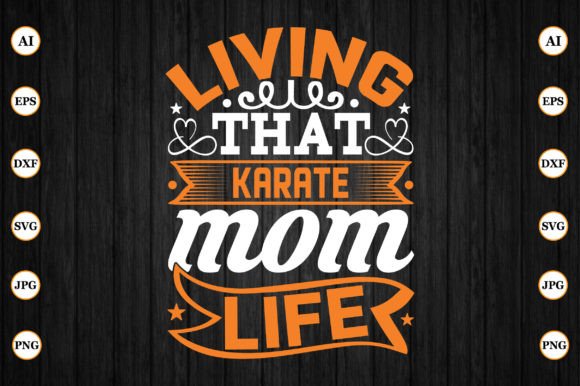
Living That Cricket Mom Life: An Embroidery Review
As a professional designer and product reviewer, I approach every new graphic with a specific question: will this actually translate into a high-quality stitched product? When evaluating Living That Cricket Mom Life, my focus shifts immediately from the screen to the hoop. This design captures a very specific niche sentiment that resonates deeply with sports parents, but its success as an embroidery project depends entirely on how well the digital assets convert to thread. While the product listing highlights its utility as a cutting file for Cricut and Silhouette users, those of us in the apparel decoration and machine embroidery space need to look closer at the vector lines and composition to determine if it can withstand the rigors of needle and thread.
First Impressions and Visual Personality
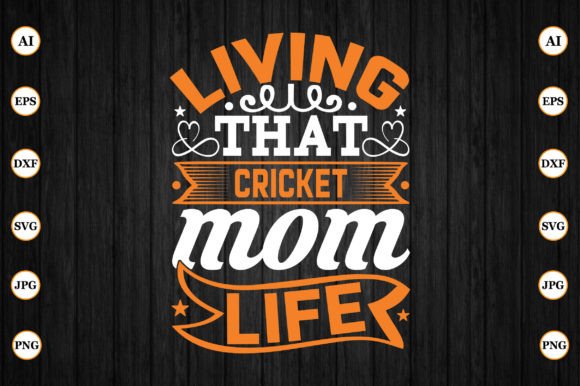
Upon opening the included AI and SVG files, the first thing I assess is the visual hierarchy. Living That Cricket Mom Life presents a bold, declarative statement. The typography appears clean and legible, which is the single most important factor for any text-based machine embroidery design. In the world of crafts and graphics, intricate scripts often fail when stitched, but this design seems to favor readability over excessive ornamentation. This is a relief. It suggests a modern, sporty aesthetic that aligns perfectly with the active lifestyle of a cricket mom.
The layout feels balanced. For a tote bag design or center-chest placement on a sweatshirt, the proportions are crucial. A design that is too wide will distort on curved surfaces, while one that is too tall may require excessive stabilizer to prevent puckering. This graphic strikes a practical middle ground. It has enough visual weight to stand alone on a garment without looking sparse, yet it retains enough negative space to allow the fabric texture to breathe. This balance is essential for maintaining the perceived value of a handmade product.
Real-World Application: The Custom Sweatshirt Test
To truly evaluate this asset, I mentally placed it in a real-life production scenario. Imagine preparing a custom embroidered sweatshirt for a local cricket club fundraiser or a personalized gift for a team coordinator. The goal is to create a finished product that looks professional enough to sell in a boutique or list on Etsy.
In this scenario, I would likely use the SVG file to trace a custom appliqué shape or digitize the text elements directly. If treating this as an applique design, the clean vectors provided in the AI file are invaluable. They allow for precise cutting of fabric pieces, reducing fraying and ensuring smooth edges under a satin stitch border. For the text itself, converting these vectors into column stitches would provide that classic, raised athletic look that customers associate with quality team wear.
I can also envision this working beautifully as an embroidered patch. Because the design is self-contained and thematically strong, it could be stitched onto twill backing, merrowed, and then sold as an add-on accessory for backpacks or caps. This versatility makes Living That Cricket Mom Life a valuable asset for a craft business looking to diversify its inventory beyond standard t-shirts. The mood is celebratory and communal, making it ideal for tournament weekends, end-of-season gifts, or volunteer appreciation items.
Technical Considerations for Stitching Success
However, enthusiasm must be tempered with technical realism. Just because a graphic looks perfect on a monitor does not mean it is ready for the machine. As an experienced reviewer, I must highlight where caution is needed when adapting this digital embroidery file.
- Fabric Texture and Stability: Cricket moms often prefer performance wear or cotton blends. If you are stitching this on stretchy jersey knit, you must use appropriate stabilizer. The design’s potential density requires a stable base to prevent the fabric from pulling or warping. Always test on scrap fabric first.
- Small Hoop Sizes: While the PNG is 4500px, scaling down for a baby onesie or sleeve cuff requires care. Tiny lettering loses clarity. If resizing below 3 inches, consider simplifying the design or switching to a running stitch outline rather than a dense fill.
- Thread Color Contrast: This design relies on legibility. On dark fabrics, ensure your thread colors offer high contrast. White or metallic gold threads typically pop best against navy or black cricket gear. Avoid tone-on-tone stitching unless the texture difference is significant.
- Dense Stitch Areas: If you choose to digitize the entire phrase as a solid fill stitch, be mindful of the total stitch count. Excessive density can make the garment stiff and uncomfortable. Consider using a lighter fill or combining satin columns with open spaces to maintain drape.
Furthermore, if you plan to use this on textured fabrics like terry cloth towels or pique polos, the detail level must be adjusted. Fine lines will get lost in the pile. In such cases, increasing the stitch width and adding an underlay foundation is non-negotiable for achieving professional results.
Commercial Viability and Brand Consistency
For Etsy sellers and small shop owners, consistency builds trust. Using Living That Cricket Mom Life across multiple products creates a cohesive collection. Seeing the same design executed flawlessly on a cap, a tea towel, and a hoodie signals professionalism to buyers. It tells the customer that you understand both the niche culture and the technical demands of embroidery.
When creating printable mockups for your listings, use the high-resolution PNG to show scale accurately. However, always include photos of actual stitched samples. Customers want to see how the satin stitch catches the light and how the design sits on the fabric. Digital previews are helpful, but physical proof sells custom apparel. This design’s clear theme makes it highly giftable, which increases its commercial potential during holiday seasons or back-to-school sports periods.
Essential Designer Notes Before You Begin
Before loading this file into your digitizing software or cutting machine, please heed these practical warnings. The product description specifies formats for cutting machines and includes a large PNG, but it does not explicitly confirm pre-digitized embroidery formats (like DST, PES, or JEF) or specific licensing terms for commercial embroidery resale.
- Verify Licensing: Confirm whether the license permits selling finished embroidered goods versus just physical cut vinyl products. Intellectual property respect is vital for long-term business health.
- Digitization Check: If you are converting the SVG/AI files yourself, check your stitch density settings. Auto-digitizing features often create overly dense areas. Manually adjust node points and stitch angles for optimal flow.
- Hoop Size Confirmation: Measure your intended placement area before finalizing the size. Ensure the design fits comfortably within your machine’s maximum embroidery field with room for hooping.
- Wash Testing: If this is for baby embroidery or items requiring frequent laundering, perform a wash test. Ensure the stabilizer washes out completely and the stitches do not pucker after drying.
- Mockup Validation: Test the design in black and white mockups to verify value contrast. If it reads well in grayscale, it will likely stitch well in color.
Living That Cricket Mom Life holds immense promise for makers who cater to the sports parent demographic. Its strong typography and relatable message provide a solid foundation for everything from commercial embroidery runs to heartfelt personalized gifts. By approaching this graphic with technical discipline and respecting the translation process from pixel to stitch, you can elevate it from a simple digital download to a premium, tangible product that customers will be proud to wear and display. Always prioritize testing and quality control; your reputation as a maker depends on the integrity of every stitch.