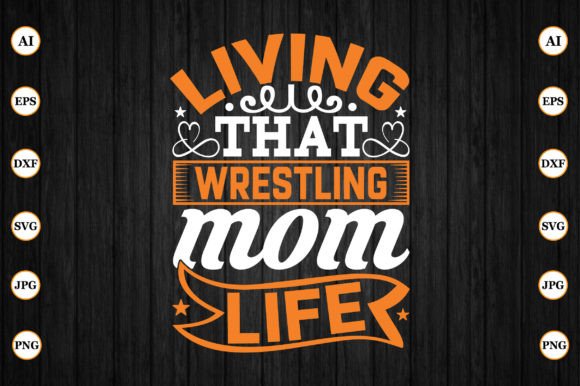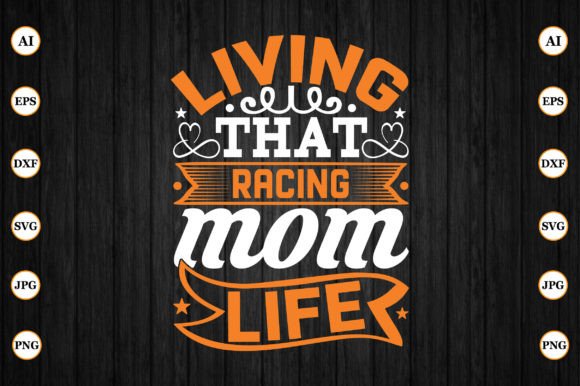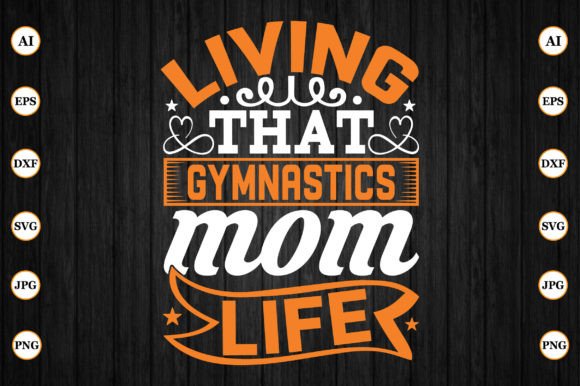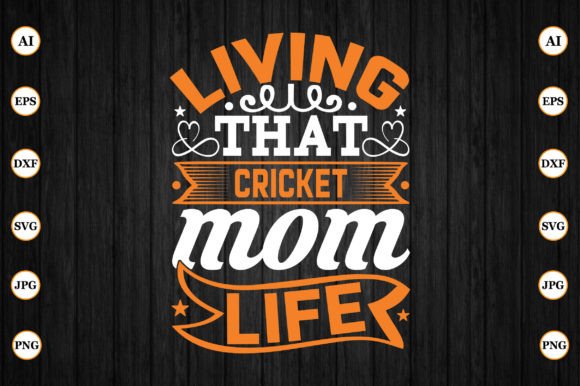
Living That Softball Mom Life: A Designer's Review
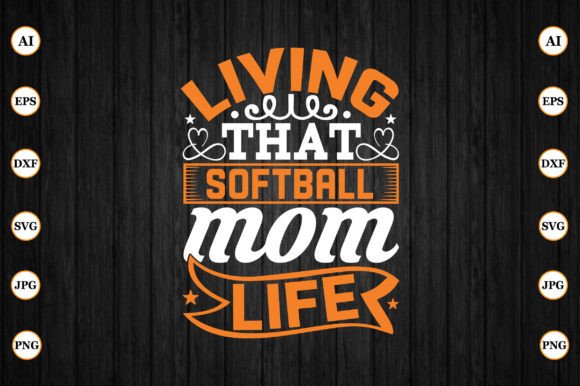
As a professional embroidery digitizer and product reviewer, I approach every new graphic asset with a critical eye toward stitchability. When evaluating Living That Softball Mom Life, my first thought isn't just about the aesthetic appeal for a screen print; it is about how those lines will translate into thread on fabric. This design, marketed primarily as a digital download cutting file for Cricut and Silhouette users, presents a unique opportunity and challenge for embroidery professionals. The package includes AI, SVG, and PNG files at 4500px x 5400px resolution. While these are vector and raster graphics rather than native machine embroidery files, they serve as excellent foundational art for creating custom apparel and personalized gifts. However, moving from a cutting file to a finished embroidered product requires specific technical considerations that every craft business owner and Etsy seller must understand before listing items for sale.
Translating Vector Art to Stitch Reality
The visual personality of Living That Softball Mom Life captures a specific niche mood: energetic, supportive, and proudly chaotic. For an embroidery designer, the layout suggests a bold statement piece rather than a subtle accent. Because this is provided as a high-resolution PNG and scalable SVG, the lines are crisp, which is ideal for manual digitizing or auto-digitizing software. However, vectors do not account for fabric push-and-pull. When I look at this design, I immediately assess where satin stitches might cause puckering on a sweatshirt and where fill stitches would be necessary to maintain structural integrity on a tote bag.
For small shop products like team mom shirts or sideline blankets, the typography in this design likely demands attention. In embroidery, text is often the failure point. If the original graphic features thin, distressed, or overly intricate fonts common in modern crafting trends, they may not survive the digitizing process without modification. As a reviewer, I advise treating this graphic as a template. You may need to thicken lettering strokes to accommodate a minimum stitch width or convert delicate script into running stitches to prevent needle breaks and thread shredding during production.
Real-World Application: The Custom Sweatshirt Test
To truly evaluate the commercial viability of this design, let’s consider a real-life scenario: producing a custom embroidered sweatshirt for a softball tournament fundraiser. This is a staple item for any handmade product seller targeting sports parents. Sweatshirts are typically fleece-backed cotton blends, which are stable but textured. Using Living That Softball Mom Life here requires careful stabilizer selection. A cut-away stabilizer is non-negotiable to support the weight of the design and prevent the knit fabric from distorting.
In this application, the design’s size matters significantly. The 4500px dimension allows for large-format printing, but embroidery hoops have physical limits. If you plan to center this on a chest or back yoke, you must verify your hoop size compatibility before purchasing. A design this bold works beautifully as a left-chest logo if simplified, or as a full-back statement if digitized with appropriate density management. For a tote bag design, the canvas texture provides a forgiving base, allowing for denser stitch counts that make the "Softball Mom" theme pop. Conversely, if applying this to baby embroidery items like onesies, extreme caution is needed. The pique knit of infant wear is unforgiving; you would need to drastically reduce the design complexity and use a tear-away topping to prevent stitches from sinking into the fabric weave.
Navigating Fabric Limitations and Hoop Constraints
Not every substrate is suitable for this specific graphic style. Based on typical "Mom Life" design aesthetics, there are areas where Living That Softball Mom Life should be used carefully:
- Stretchy Performance Fabrics: Modern softball uniforms often use moisture-wicking polyester. These fabrics shift under the needle. Without proper hooping technique and adhesive stabilizer, this design could result in misaligned registration points.
- Curved Surfaces: If adapting this for caps, remember that flat vector art does not naturally wrap around a curved brim. The design elements may need to be arced or separated to fit a cap frame without distortion.
- Dark Fabrics: High-contrast thread colors are essential. If the design relies on subtle shading present in the PNG file, be aware that embroidery thread has limited gradient capability. You may need to simplify color blocks to maintain clarity on navy or black garments.
- Frequent Washing: Sports gear gets dirty. Ensure all satin stitch columns are properly locked down and avoid long floating stitches that could snag in the wash. Durability is key to customer trust.
Commercial Value and Professional Presentation
For Etsy sellers and creative entrepreneurs, the value of Living That Softball Mom Life extends beyond the stitch file itself. It serves as a versatile asset for printable mockups and digital product previews. Before committing thread to fabric, use the included high-res PNG to create realistic listings. Test the design in black and white mockups to ensure the contrast holds up without relying solely on color differentiation. This step mimics how the design will read from a distance on a field or in a crowded gymnasium.
Professionalism in the crafts category comes from consistency. If you sell this as part of a collection, ensure the stitch density matches your other offerings. A heavy, dense patch next to a light, airy running stitch design creates a disjointed brand experience. Furthermore, always confirm licensing. Just because a file is available for digital download does not automatically grant commercial embroidery rights for mass production. Verify whether the license covers selling finished physical products versus selling the digitized file itself. Respecting intellectual property protects your business reputation and ensures sustainable growth in the handmade market.
Essential Pre-Stitch Checklist for Makers
Before loading this design into your machine for a client project or inventory build, run through this practical checklist to ensure success:
- Verify File Conversion: Remember, AI/SVG/PNG are not stitch files. You must digitize this artwork or hire a professional digitizer to create a DST, PES, or JEF file compatible with your machine.
- Test on Scrap Fabric: Never stitch directly onto a final product without a test run. Use similar fabric weight and texture to check for registration issues or tension problems.
- Audit Small Details: Inspect the vector lines. Any detail smaller than 1mm may need to be removed or enlarged to prevent needle deflection and thread breaks.
- Check Thread Contrast: View the design through a red filter or grayscale mode to ensure elements remain distinct regardless of thread color choice.
- Confirm Stabilizer Pairing: Match your backing and topping to the specific garment type, not just the design size.
- Review License Terms: Double-check usage rights for both personal and commercial embroidery projects to avoid infringement.
Living That Softball Mom Life offers strong potential for the apparel decorator and digital product seller, provided it is treated with technical respect. Its bold theme resonates deeply with the target demographic, making it a high-converting candidate for seasonal merchandise and personalized gifts. By focusing on proper digitizing adaptation, fabric compatibility, and professional finishing, you can transform this graphic asset into a premium embroidered product that stands out in a saturated market. Always prioritize stitch quality over speed, and your finished products will reflect the care and expertise that define successful handmade businesses.