Running Mom: A Designer’s Embroidery Review
As an embroidery designer and product reviewer, I approach every new graphic with a critical eye toward its final stitched reality. When evaluating Running Mom, my first thought isn't just about the aesthetic appeal of the digital file; it is about how those lines and shapes will translate through a needle and thread onto physical fabric. This design captures a specific energy—a blend of athletic motivation and maternal pride—that resonates deeply in today’s handmade market. However, translating that energy into a successful embroidery project requires understanding the interplay between the graphic's personality and the technical constraints of machine embroidery.
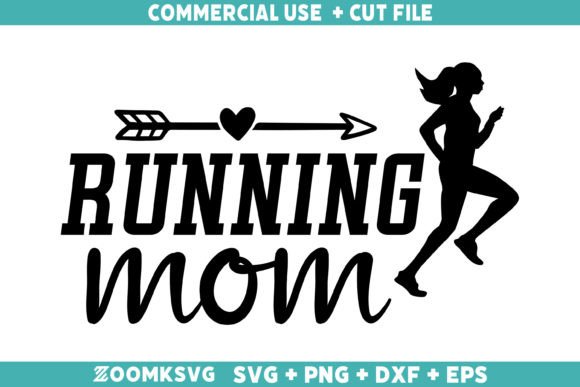
The visual mood of Running Mom is active yet approachable. It avoids being overly aggressive or cartoonish, striking a balance that makes it suitable for both personal use and commercial sales. For an Etsy seller or small shop product creator, this versatility is gold. The layout suggests movement without chaotic lines, which is crucial when converting a flat graphic into a structured machine embroidery design. My immediate impression is that this artwork has strong potential for lifestyle apparel and functional accessories, provided the digitizing respects the original flow of the illustration.
Real-World Application: Stitching the Weekend Warrior Tote
To truly judge the viability of Running Mom, I mentally placed it into a real-life production scenario: creating a custom canvas tote bag for a local marathon fundraiser. This is a classic use case where design meets utility. A tote bag endures significant wear, washing, and friction, so the stitch density must be robust enough to hold up without distorting the heavy canvas fabric texture.
In this scenario, Running Mom serves as more than just decoration; it acts as a badge of identity. When stitching this on a structured tote, I would likely treat the main figure as an applique design to reduce bulk and add textural contrast, while using a clean satin stitch or column stitch for any accompanying typography. The goal here is clarity from a distance. A runner carrying this bag wants the message to be legible across a room or a finish line. If the design elements are too intricate or the lettering too thin, the impact is lost. In my assessment, this graphic holds up well for medium-to-large scale applications like bags and sweatshirts because its core shapes are distinct. For a personalized gift targeting active mothers, this application transforms a simple accessory into a meaningful statement piece.
Best Substrates for Active Lifestyle Graphics
While the product description notes that these file sets can be used for a wide variety of items including t-shirt designs, coffee mugs, stickers, custom tumblers, hats, printables, pillows, and bags, not all substrates perform equally well in embroidery. Based on the theme and likely line work of Running Mom, certain materials will yield superior results for your finished product.
- Sweatshirt Embroidery: Fleece and French terry fabrics provide a stable base that hides minor registration shifts. The cozy texture complements the "mom" aspect of the design, making it ideal for fall and winter custom apparel.
- Tote Bag Design: As mentioned, canvas and denim are excellent choices. They allow for higher stitch counts and denser fills without puckering, ensuring the design remains crisp after repeated use.
- Caps and Hats: Structured caps work best. The curved surface of a hat requires a design that is horizontally oriented and vertically compact. Running Mom appears adaptable to this format, but always verify the vertical height against your specific cap frame limitations.
- Pillows and Home Decor: Linen and cotton twill offer a sophisticated backdrop. Here, you might opt for a softer color palette to transition the design from sportswear to nursery or living room decor.
For commercial embroidery businesses, focusing on these high-success substrates reduces waste and increases customer satisfaction. The design’s inherent style aligns perfectly with casual, durable goods rather than formal wear.
Navigating Technical Limitations and Fabric Risks
Every experienced maker knows that a beautiful screen display does not guarantee a perfect stitch-out. There are specific environments where Running Mom requires caution. Understanding these limitations protects your reputation as a professional crafter or business owner.
Stretchy performance fabrics present the biggest challenge. While the theme screams "activewear," stitching directly onto lightweight polyester spandex blends can lead to tunneling and distortion. If you intend to place this design on yoga pants or compression gear, you must use a high-quality cutaway stabilizer and potentially a water-soluble topping to prevent stitches from sinking into the knit. Alternatively, consider creating an embroidered patch instead. Stitching Running Mom onto felt or twill and then heat-pressing it onto the garment preserves the integrity of both the design and the technical fabric.
Be equally wary of tiny lettering and detailed corners. If the digital file includes small motivational text or intricate shoelace details, these may not survive the reduction process for smaller hoop sizes. Before committing to a baby onesie or a sleeve cuff placement, zoom in on the digital embroidery file. If the text height is under 4mm or the gaps between elements are less than 1mm, the design needs editing. In such cases, simplify the artwork or reserve Running Mom for larger placements like chest centers or jacket backs. Remember, clarity trumps complexity in embroidery.
Elevating Product Value and Brand Consistency
Using Running Mom effectively goes beyond avoiding technical errors; it is about leveraging the design to build trust and perceived value. For creative entrepreneurs and handmade product sellers, consistency is key. This design carries a specific demographic appeal. Pairing it with high-quality materials and professional finishing signals to the buyer that you understand their lifestyle.
When listing items featuring this design, utilize printable mockups and digital previews that accurately represent the stitch texture. Buyers need to see how the thread colors interact with the fabric. A flat vector image does not sell embroidery; a photo showing the sheen of rayon thread or the matte finish of polyester on a textured sweatshirt does. Furthermore, if you are selling design assets or sublimation prints alongside embroidered goods, ensure the visual language remains consistent. Running Mom should look like part of a cohesive collection, whether it appears on a mug, a sticker, or a premium embroidered hoodie.
This attention to presentation directly impacts buyer engagement. Customers looking for "running mom" merchandise are often buying for themselves or as gifts for friends who identify strongly with this role. A polished, well-executed application of this design validates that identity. Conversely, a poorly stabilized stitch-out on a cheap shirt undermines the sentiment. Your craftsmanship honors the subject matter.
Essential Pre-Production Checklist for Makers
Before you load the hoop or list the item, run through this practical checklist to ensure Running Mom performs as expected in your specific workflow:
- Verify Licensing: Confirm whether your purchase allows for commercial embroidery, digital resale, or print-on-demand usage. Never assume rights based on category alone.
- Test Stitch on Scrap: Always run a sew-out on the exact fabric and stabilizer combination you plan to use. Check for registration issues, especially if combining applique with fill stitch or running stitch details.
- Audit Thread Contrast: Test the design in both black-and-white and full-color mockups. Ensure the design reads clearly on dark fabrics; you may need to add an underlay or adjust outline colors for visibility.
- Check Hoop Compatibility: Measure the actual stitch area against your machine’s maximum field. Do not rely solely on the file name; open it in your software to confirm dimensions.
- Inspect Small Details: Identify any areas thinner than 1mm. Decide now whether to widen them, remove them, or convert them to a different stitch type to prevent needle breaks or fabric perforation.
- Validate Washability: If producing items for babies or kitchen use (like tea towels), ensure the stitch density and thread type can withstand frequent laundering without fraying.
Running Mom offers a fantastic foundation for a wide range of creative projects, from boutique apparel to personalized gifts. By approaching this graphic with the technical mindfulness of an embroiderer rather than just the enthusiasm of a fan, you ensure that every stitch supports the story you are trying to tell. Whether you are crafting a single keepsake or stocking an online shop, let practical judgment guide your needle. The result will be a product that looks as good in real life as it does on screen, earning the trust of your customers and the pride of your own craftsmanship.